
 Author’s Note: The video presentation is from an international health and medical sociology conference that was held from 21-23 September 2018 in Dallas, Texas USA
The Vietnam-Australia Primary Health Care for Women and Children Project
James Cameron Mielke, DrPH
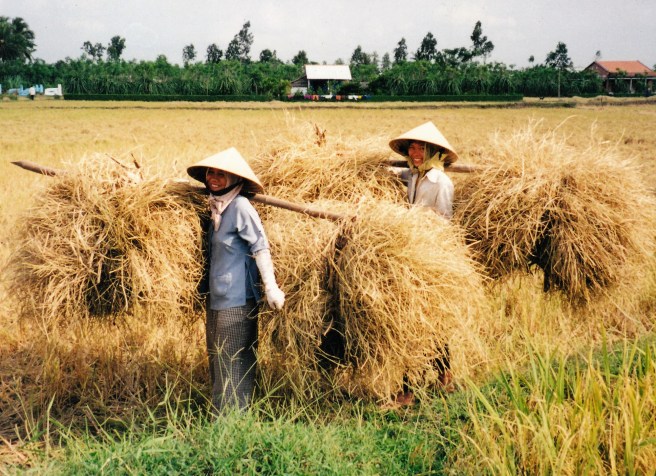
The Viet Nam-Australia Primary Health Care for Women and Children Project (VAPHC) was a six-year primary health care project implemented through the Government of Viet Nam (GOV) Ministry of Health (MOH) and four provincial Departments of Health (DOH); two in the south, and two in the central region. The Project was financed jointly by the GOV and the Australian Agency for International Development (AusAID).
The VAPHC Project commenced in March 1998 and was completed in September 2003. It was co-financed by the Government of Australia: AUD 21 million and the Government of Vietnam: AUD 2.1 million for a total cost of AUD 22.6 million. Four Provinces, two in the south and two in the central highlands were direct development partners.
Key principles of the Project’s implementation strategy were:
- A strong focus on primary health care as the context for all activities;
- Strengthening of systems for training, supervision, referral and capacity building;
- Use of skills based training (SBT) which focuses on the application of skills in the workplace; and
- Placement of health promotion in the broader context of community development.
The VAPHC Project Goal was:
To improve the quality of primary health care services delivery to women and children and the knowledge and health awareness of communities through training, provision of equipment, strengthening of fixed facilities, health promotion, management support and community development in the provinces of Long An, Ben Tre, Quang Ngai and Gia Lai.
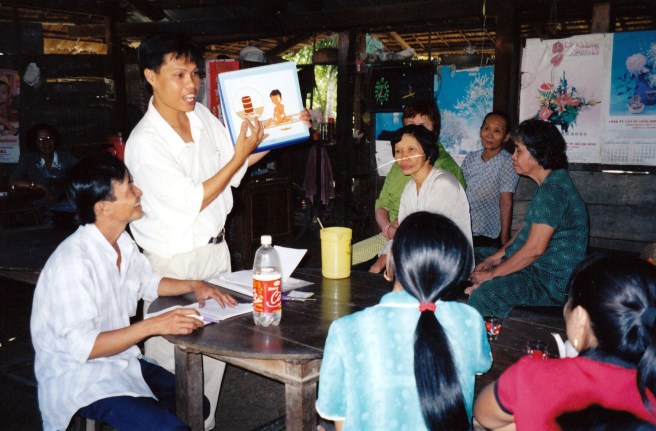
Health workers received training in health promotion and communication skills and on the use of appropriate information, education and communication (IEC) materials for effective health education in the communities
The Project’s major objectives are based on the three Components:
Component 1. To improve the quality of health services available to women and children by strengthening health training, referral and supervisory systems; providing equipment and transport and refurbishing selected fixed facilities at provincial, district and commune levels in Ben Tre, Long An, Quang Ngai and Gia Lai provinces;
Component 2. To improve the capacity of health workers, health volunteers, mass organizations and health volunteers to promote the health and nutrition of women through the provision of appropriate and effective health promotion and communication skills training and health promotion materials, and to support improved community knowledge, awareness and participation through the development and maintenance of community based primary health care activities In Ben Tre, Long An, Quang Ngai and Gai Lai provinces; and
Component 3. To efficiently and effectively manage and implement the project for the achievement of the defined outputs and project objectives.
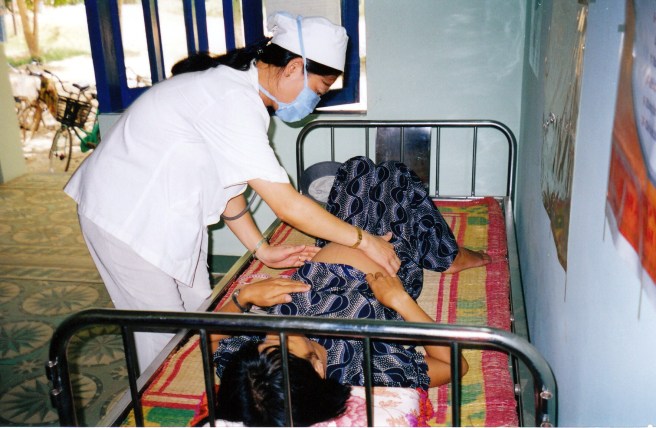
The Project provided support to health services delivery for women and children through improved facilities and capacity for essential obstetric, gynecological and pediatric care, strengthening of systems for skills-based training, supervision, monitoring and referral, and to the users of the public health system through health promotion and community development activities.
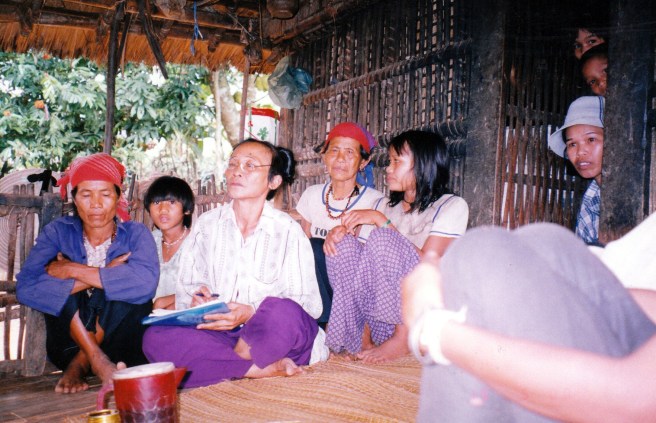
The VAPHC Project aligned with GOV health policy objectives and priorities by: focusing on primary care and community health improvement, safe motherhood, reducing infant and child mortality and improving preventive measures, and anticipated many of the GOV strategies to meet Millennium Development Goals and health development strategies.
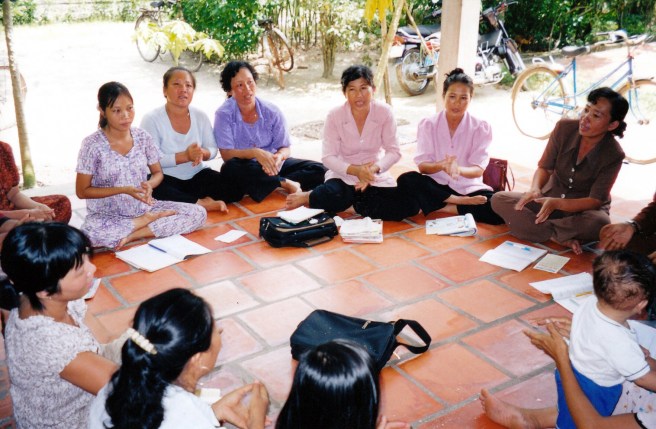
The project’s aims and operating procedures also matched AusAID’s health development framework, for example: strengthening health system fundamentals; addressing priority health needs of women and children; and supporting country-specific priorities to address high-burden health problems. Project managment units within the DOHs managed implementation, guided and supported by an Australian Advisory Team.
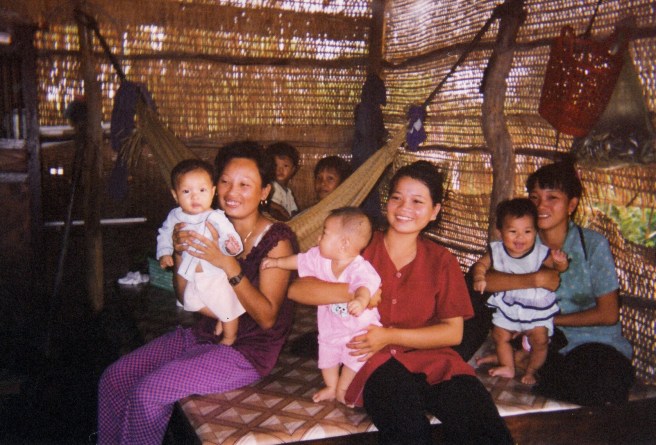
An ex-post evaluation (2007) found sustained impact from improving trends in provincial and individual health center MCH data. The generally positive impact indicators and outcomes cannot be totally attributed to VAPHC (although key informant interviews in many districts and communes referred specifically to the role of the Project in improved processes, outcomes and results).
Rather, VAPHC contributed to overall health improvements in Viet Nam achieved through GOV and international partner activities. VAPHC initiatives have been incorporated into other GOV and donor interventions such as MOH projects supported by the Netherlands and the Asian Development Bank.
Over the past 35 years, Jim Mielke, who has a doctorate in Public Health, has had the privilege of living and working in some of the poorest, most remote and under-served countries (23 so far) in the Asia-Pacific region, where he has assisted governments, international aid agencies and communities to strengthen local and national health systems for improved community-based primary health care, women and child health, and communicable diseases control, including HIV/AIDS prevention, care and support.
In recent years, a big part of Jim’s mission has been to mentor students, members of voluntary organizations and other interested groups on international travel, study, and overseas volunteer and professional opportunities. Jim also enjoys teaching yoga and mindfulness meditation in schools, YMCA conference and family retreat centers, and health and fitness centers in the USA and abroad. You can read more about Jim’s overseas experiences at Hawaii Reporter. He can also be contacted at jim_mielke@hotmail.com and on Facebook at James Cameron Mielke.
Jim lives in a quiet seaside setting in southern Thailand.
The Vietnam-Australia Primary Health Care for Women and Children Project
Video presentation by James Cameron Mielke, DrPH:
(Copy and paste the link into your browser): http://www.hawaiireporter.com/video-presentation-on-the-viet-nam-australia-primary-health-care-for-women-and-children-project/
or: https://1drv.ms/f/s!As5_PzObvxoXvxLRFbIBFRQmy6c_
Stay tuned for more stories – coming soon!
You can read more about Jim’s backstory, here and here.
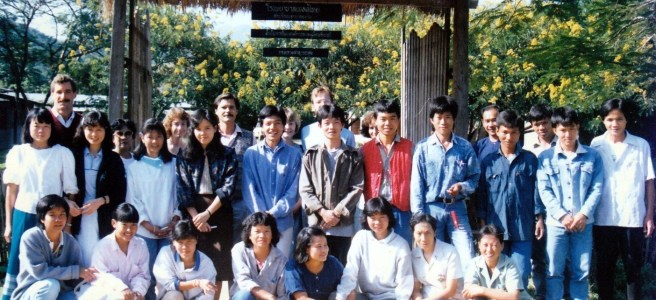
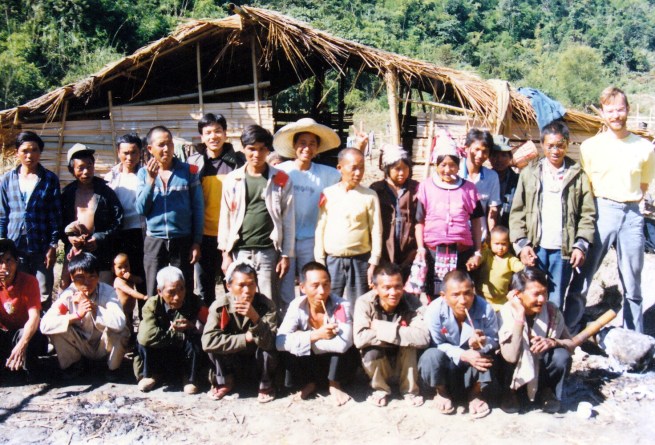
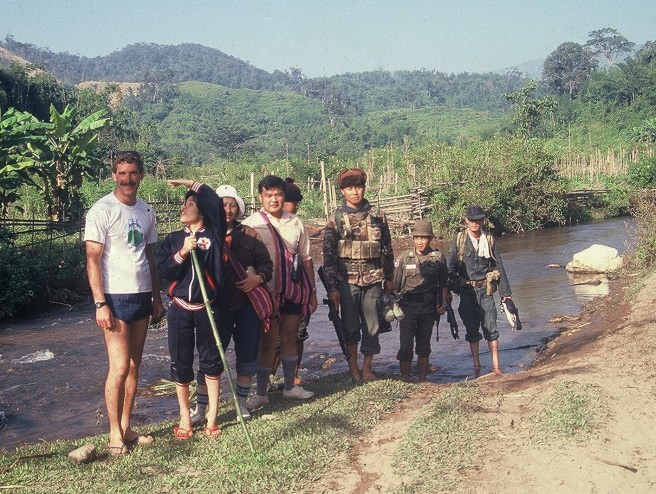
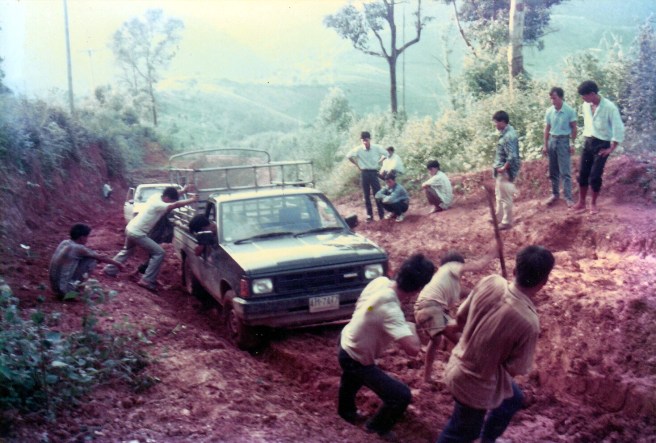
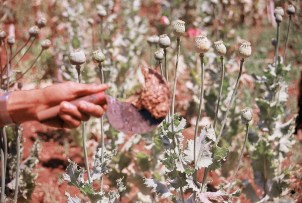
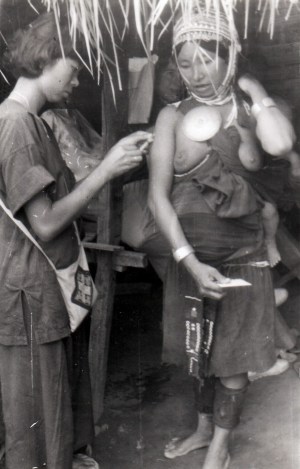
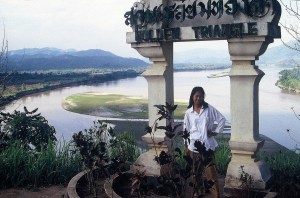
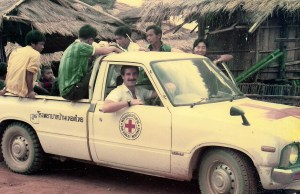
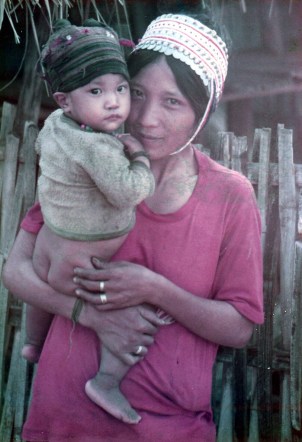 The Project developed a locally appropriate model for preventive and clinical health care delivery by training and facilitating the entrance of hill tribe health workers into the Thai National Health System, together with innovative community-based health and development strategies such as gravity-fed village water systems, household gardening, opium detoxification, and vector-borne disease control.






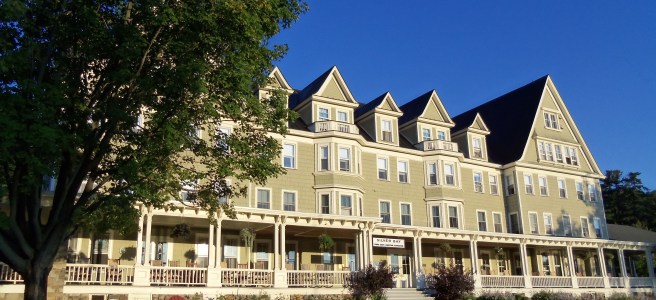


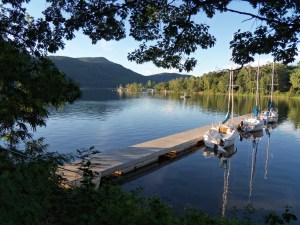


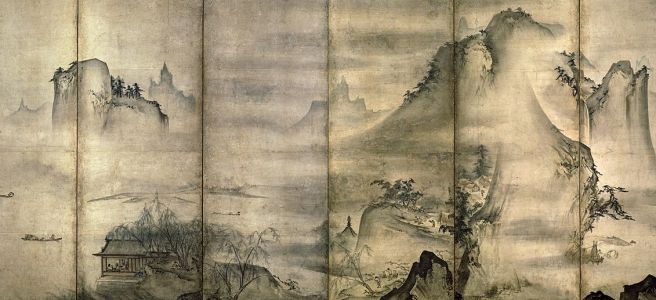
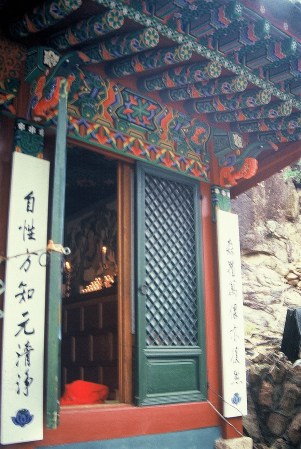

 Arriving in Japan on an overnight ferry from Korea’s southern port city of Pusan, I traveled by train from Shimonoseki City, on the southwestern tip of Japan’s Honshu Island to Kyoto City for a YMCA conference.
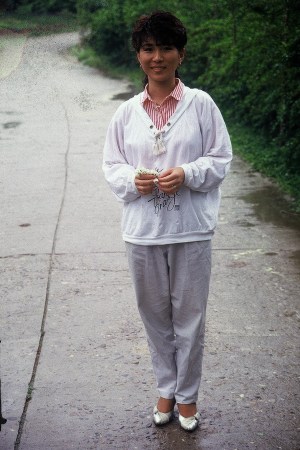
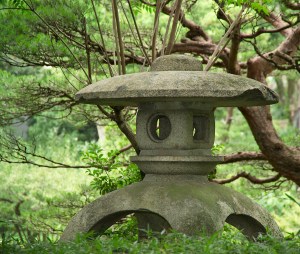 From the perfect gardens in Kyoto and the gentle, lilting resonance of a traditional 13-stringed Koto, Japan’s national instrument played by a woman kneeling in a colorful, silk kimono, to the shroud of lingering gloom from the terror enshrined in Hiroshima Peace Park, to medieval castles and mineral spas, and the rural simplicity of Shukoku Island — and cheerful greetings from beautiful women everywhere, with uninhibited smiles, like swaying bamboos — jet black hair hanging long.
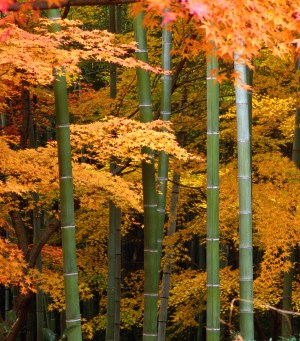 Seated in a neatly manicured garden on a bluff overlooking the lights of the city and along the bridge connecting Honshu Island and Kyushu Island. In the cool, dampness of the evening, a maze of bamboos throws shadows in the artificial light, while young people eager to meet a foreigner for a chance to practice speaking English bring together all the soft gentleness of the people and the place.

 Exploring the mountains around Tienhisiang town within Taroko National Park, one of nine national parks named for Taroko Gorge, an impressive 19-km-long canyon carved by the Liwu River near Taiwan’s east coast. The name Taroko, means the “magnificent and splendid” in the language of Truku, the aboriginal tribe who resides in the area, which is also well known for its abundant supply of marble leading to its nickname: The Marble Gorge.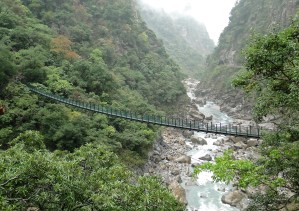








 Traveling Road Show